Charles Tucker
Home
Portfolio
Constructions
Ecologies
Hypertext
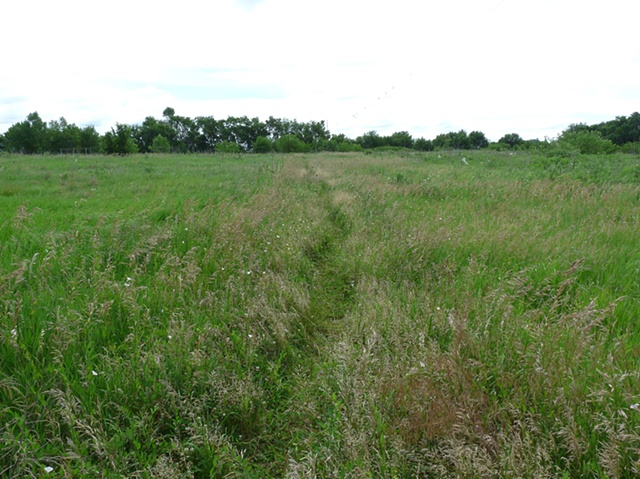
Nebraska Cottage Phase II
Nebraska Cottage Phase I
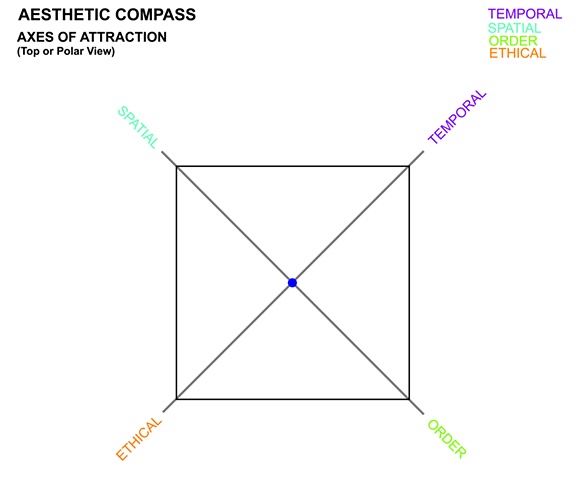
Aesthetic Compass
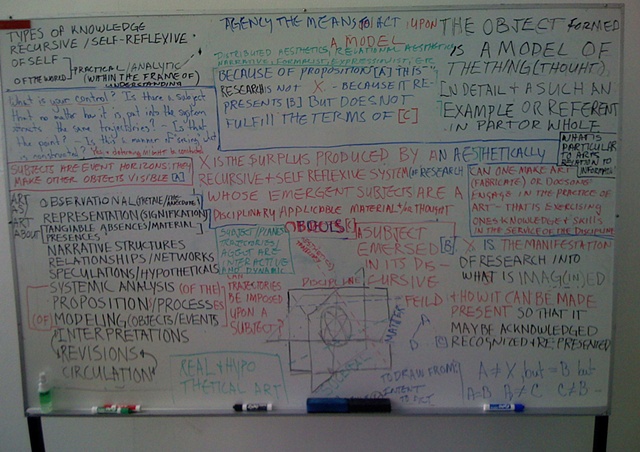
The Rhetorical Model "White Boards"
Crucibulum
Semiosis
Disputa
Filtered
Productions of Time
Echo
Reductionism
Patterns and Paradigms
Artemis
Transformation
Steam Pressed
Corpus
Origins
-
News
Contact
Links
Charles Tucker
Home
Portfolio
Constructions
Ecologies
Hypertext
Nebraska Cottage Phase II
Nebraska Cottage Phase I
Aesthetic Compass
The Rhetorical Model "White Boards"
Crucibulum
Semiosis
Disputa
Filtered
Productions of Time
Echo
Reductionism
Patterns and Paradigms
Artemis
Transformation
Steam Pressed
Corpus
Origins
-
News
Contact
Links
Portfolio
Constructions
Constructions
Ecologies
Ecologies
Hypertext
Hypertext
Nebraska Cottage Phase II
Nebraska Cottage Phase II
Nebraska Cottage Phase I
Nebraska Cottage Phase I
Aesthetic Compass
Aesthetic Compass
The Rhetorical Model "White Boards"
The Rhetorical Model "White Boards"
Crucibulum
Crucibulum
Semiosis
Semiosis
Disputa
Disputa
Filtered
Filtered
Productions of Time
Productions of Time
Echo
Echo
Reductionism
Reductionism
Patterns and Paradigms
Patterns and Paradigms
Artemis
Artemis
Transformation
Transformation
Steam Pressed
Steam Pressed
Corpus
Corpus
Origins
Origins
-
-