Aesthetic Compass
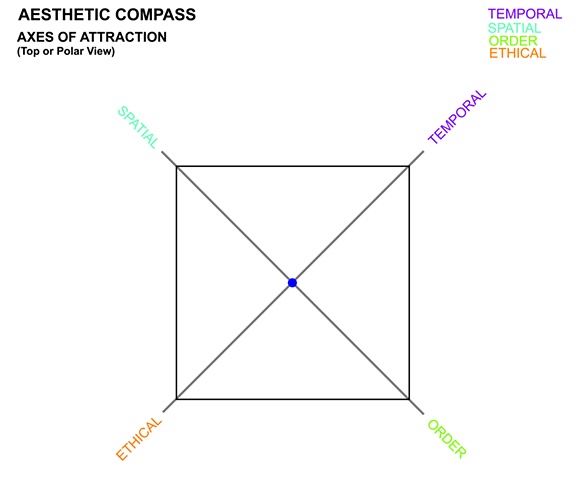
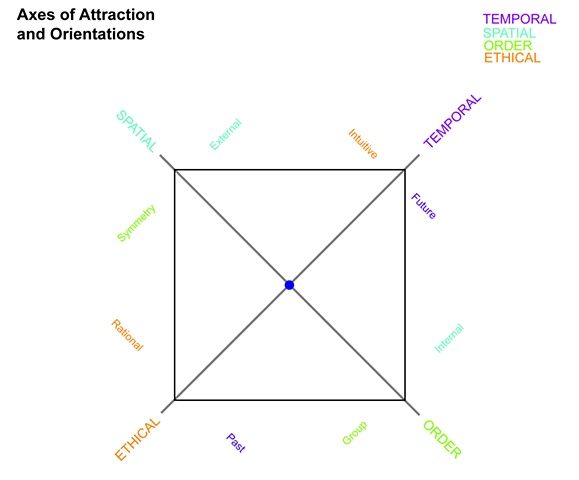
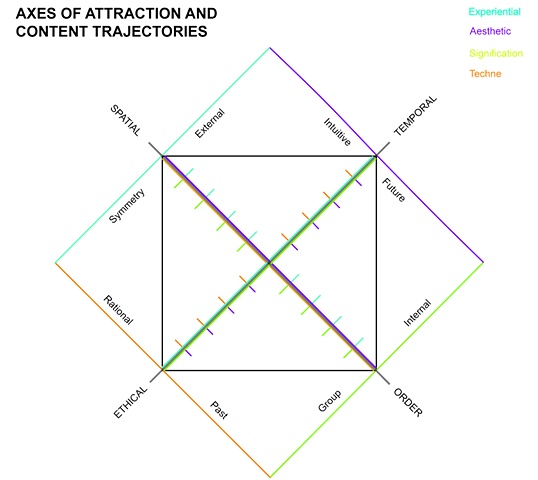
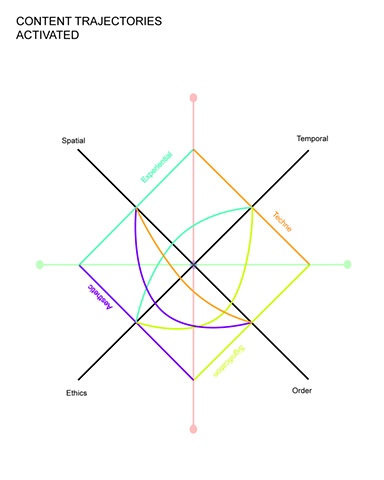
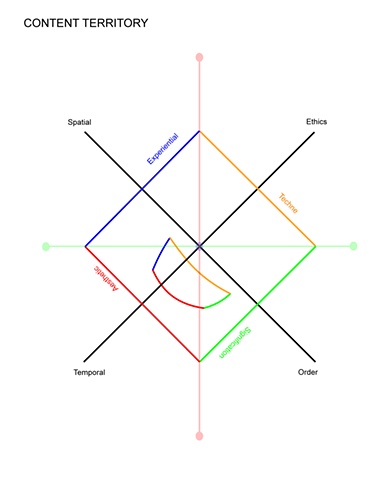
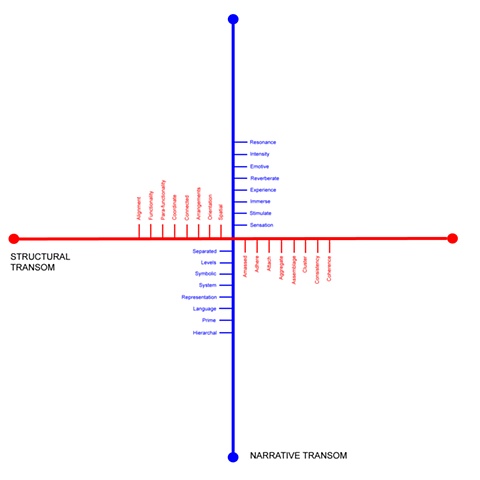
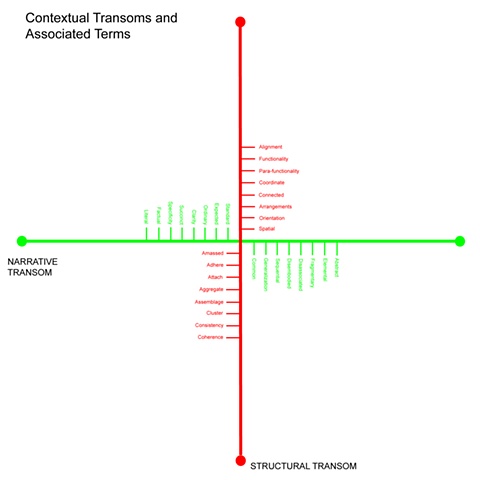
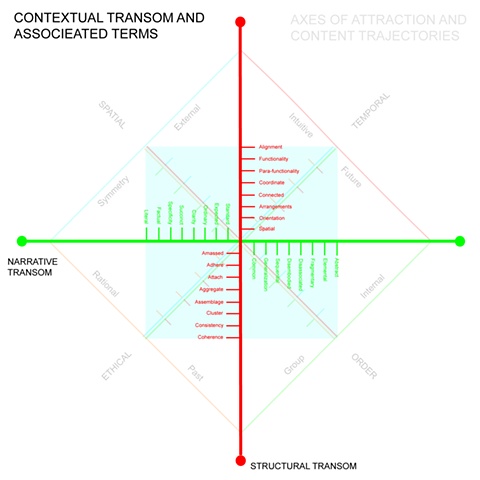
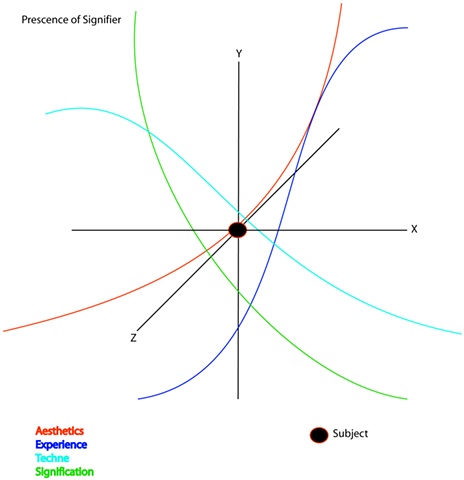
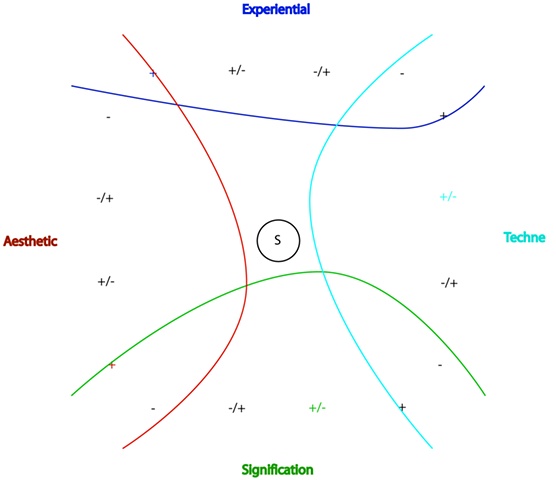
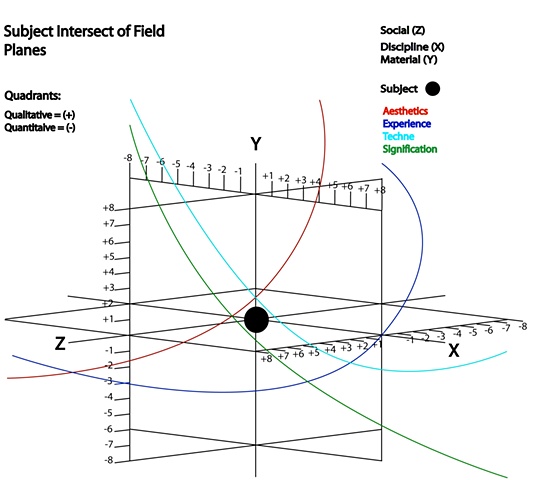
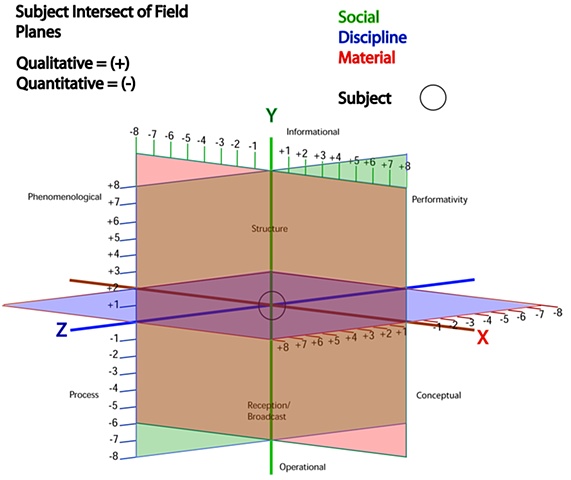
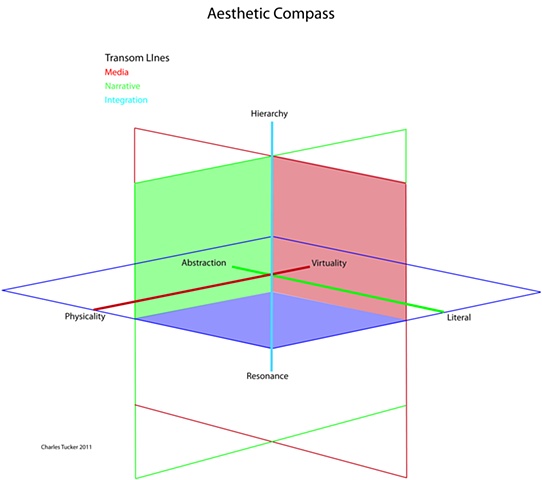
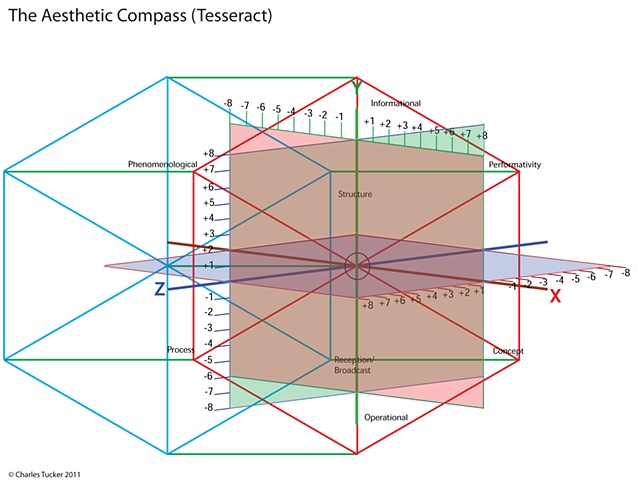
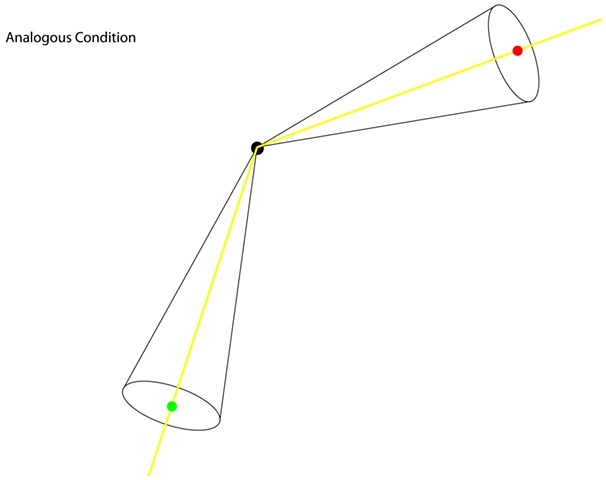
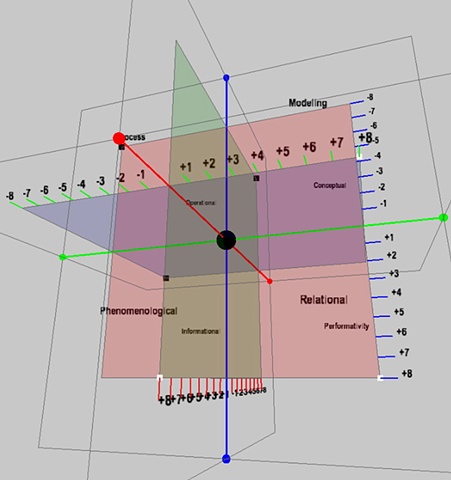
The Aesthetic Compass (AC) is a conceptual mapping or navigational device designed to provide an agent with a tool(s) for subject visualization and relative orientation within an otherwise indeterminate space or field of discourse. In short it is a device that allows for both qualitative and quantitative measure of a subject/object based on aesthetic attributes. The Aesthetic Compass’ operational process can be understood as being analogous to that of the all familiar magnetic compass that is capable of detecting the earth’s magnetic field and in doing so reference a predictable phenomena as a means of orientation and navigation. The Aesthetic Compass by contrast is a conceptual device designed to detect a potential subject at its horizon between the “real” or unknowable and the constructed or imagined, thereby making it visible and potentially significant.